
Station Timeline
The story of WMRN — Marion's hometown radio through decades of news, music, sports, and community service.
WMRN Radio has served Marion and north-central Ohio since 1940, providing news, sports, music, and community service across generations. This archive documents the station's ownership, call letters, formats, milestones, and role as a trusted local voice.
A Timeline of WMRN
WMRN Goes on the Air
WMRN officially began regular broadcasting at 1:15 p.m. on December 23, 1940, following receipt of final federal authorization earlier that day. The station signed on broadcasting at 1500 kilocycles on the AM dial from Marion, Ohio.
The inaugural broadcast marked the arrival of Marion's first full-time local radio voice. From its earliest days, WMRN emphasized local news, community information, and public service, quickly becoming an essential part of daily life in Marion and north-central Ohio.
In early 1941, WMRN shifted from 1500 kilocycles to 1490 kilocycles as part of the nationwide frequency reallocation mandated by the North American Regional Broadcasting Agreement (NARBA).
During World War II and the years that followed, WMRN served as a trusted source of information, helping connect the community during a period of national uncertainty and change.
Expansion and the Birth of WMRN-FM
On May 6, 1953 at 6:30 a.m., WMRN expanded to the FM band with the launch of WMRN-FM, representing a major technical and strategic milestone.
In its early years, WMRN-FM primarily simulcast WMRN-AM, a common practice as FM broadcasting was still emerging.
Throughout the decade, WMRN continued to strengthen its role as Marion's hometown station, offering music, news, sports, farm programming, and community announcements.
FM Develops Its Own Identity
As FM radio gained popularity nationally during the 1960s, WMRN-FM gradually moved away from full simulcasting and adopted a beautiful music / instrumental format.
This format took advantage of FM's superior audio fidelity. Meanwhile, WMRN-AM remained focused on local news, information, and community service.
Established Voices and Community Service

Throughout the 1970s, WMRN operated as a firmly established dual AM/FM broadcaster.
WMRN-AM continued as a primary source for local news, sports, and public-affairs programming. WMRN-FM maintained its beautiful music format.
The station's coverage of local schools, civic institutions, and regional sports further reinforced its identity as a trusted community voice.
A Defining FM Turning Point
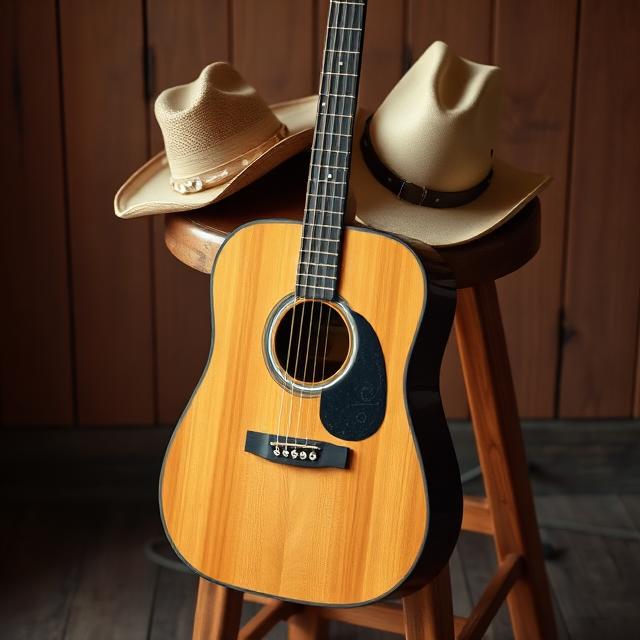
On April 1, 1981, WMRN-FM made a decisive and permanent format change, transitioning from beautiful music to country music.
This shift marked one of the most significant milestones in the FM history. The move aligned WMRN-FM with regional audience preferences.
WMRN-FM has remained a country station ever since, evolving through branding and frequency changes while maintaining its core format.
Dual-Band Broadcasting in the Modern Era
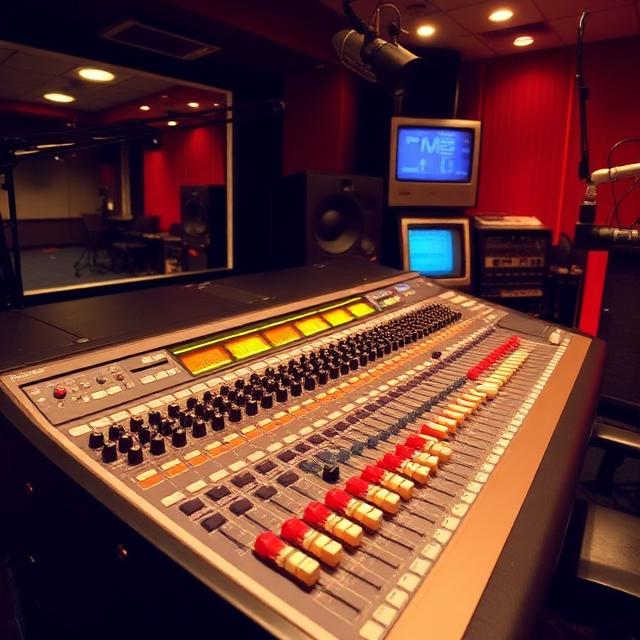
During the 1980s and 1990s, WMRN operated as a mature, professional AM/FM broadcast operation.
WMRN-AM emphasized local news, talk, sports, and community programming. WMRN-FM built a strong and loyal country-music audience.
On-air personalities, journalists, and sports broadcasters became well-known figures in Marion.
Technological Transition
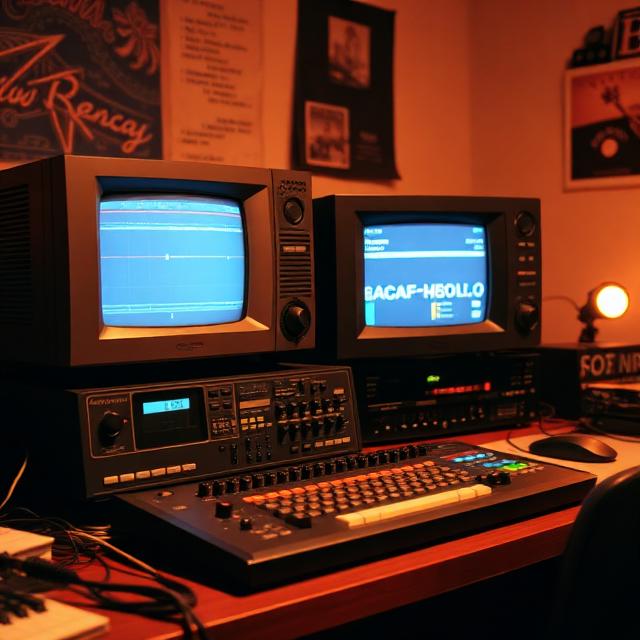
As broadcasting entered the digital era, WMRN modernized its operations through updated production equipment, automation systems, and evolving workflows.
Despite industry-wide changes, the station continued to prioritize local coverage, community connection, and service.
Recognizing the Historical Record
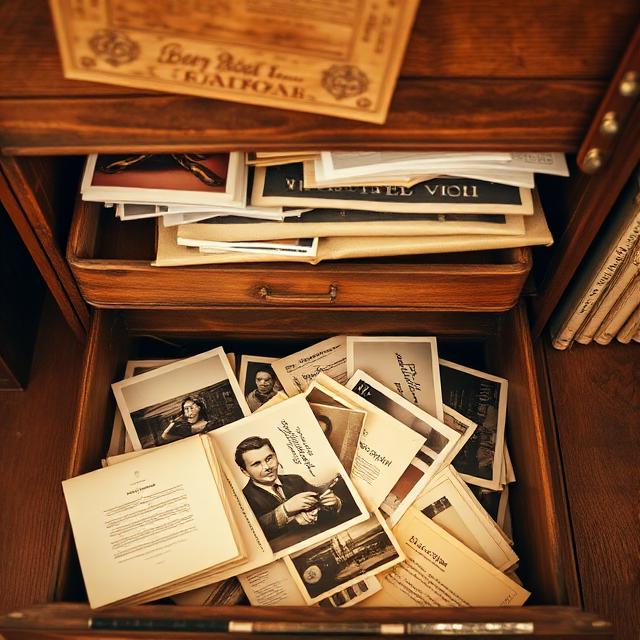
With more than seven decades of continuous broadcasting, WMRN's long history became increasingly apparent. Attention turned toward preserving the station's past.
These efforts laid the groundwork for formal archival preservation.
The WMRN Radio History Archive

The WMRN Radio History Archive exists to preserve and share the station's legacy across AM broadcasting since December 23, 1940 and FM broadcasting since May 6, 1953.
This is a living project dedicated to documenting WMRN's people, programming, facilities, and community impact so that its history is preserved for future generations.
WMRN Goes on the Air
WMRN officially began regular broadcasting at 1:15 p.m. on December 23, 1940, following receipt of final federal authorization earlier that day. The station signed on broadcasting at 1500 kilocycles on the AM dial from Marion, Ohio.
The inaugural broadcast marked the arrival of Marion's first full-time local radio voice. From its earliest days, WMRN emphasized local news, community information, and public service, quickly becoming an essential part of daily life in Marion and north-central Ohio.
In early 1941, WMRN shifted from 1500 kilocycles to 1490 kilocycles as part of the nationwide frequency reallocation mandated by the North American Regional Broadcasting Agreement (NARBA).
During World War II and the years that followed, WMRN served as a trusted source of information, helping connect the community during a period of national uncertainty and change.
Expansion and the Birth of WMRN-FM
On May 6, 1953 at 6:30 a.m., WMRN expanded to the FM band with the launch of WMRN-FM, representing a major technical and strategic milestone.
In its early years, WMRN-FM primarily simulcast WMRN-AM, a common practice as FM broadcasting was still emerging.
Throughout the decade, WMRN continued to strengthen its role as Marion's hometown station, offering music, news, sports, farm programming, and community announcements.
FM Develops Its Own Identity
As FM radio gained popularity nationally during the 1960s, WMRN-FM gradually moved away from full simulcasting and adopted a beautiful music / instrumental format.
This format took advantage of FM's superior audio fidelity. Meanwhile, WMRN-AM remained focused on local news, information, and community service.
Established Voices and Community Service
Throughout the 1970s, WMRN operated as a firmly established dual AM/FM broadcaster.
WMRN-AM continued as a primary source for local news, sports, and public-affairs programming. WMRN-FM maintained its beautiful music format.
The station's coverage of local schools, civic institutions, and regional sports further reinforced its identity as a trusted community voice.
A Defining FM Turning Point
On April 1, 1981, WMRN-FM made a decisive and permanent format change, transitioning from beautiful music to country music.
This shift marked one of the most significant milestones in the FM history. The move aligned WMRN-FM with regional audience preferences.
WMRN-FM has remained a country station ever since, evolving through branding and frequency changes while maintaining its core format.
Dual-Band Broadcasting in the Modern Era
During the 1980s and 1990s, WMRN operated as a mature, professional AM/FM broadcast operation.
WMRN-AM emphasized local news, talk, sports, and community programming. WMRN-FM built a strong and loyal country-music audience.
On-air personalities, journalists, and sports broadcasters became well-known figures in Marion.
Technological Transition
As broadcasting entered the digital era, WMRN modernized its operations through updated production equipment, automation systems, and evolving workflows.
Despite industry-wide changes, the station continued to prioritize local coverage, community connection, and service.
Recognizing the Historical Record
With more than seven decades of continuous broadcasting, WMRN's long history became increasingly apparent. Attention turned toward preserving the station's past.
These efforts laid the groundwork for formal archival preservation.
The WMRN Radio History Archive
The WMRN Radio History Archive exists to preserve and share the station's legacy across AM broadcasting since December 23, 1940 and FM broadcasting since May 6, 1953.
This is a living project dedicated to documenting WMRN's people, programming, facilities, and community impact so that its history is preserved for future generations.
Archival Note
This timeline is a working summary and will continue to be refined as additional documentation becomes available. Corrections, additions, and contextual details are welcome.